Illegal Dumping and Illicit Discharge
What is Illegal Dumping and Illicit Discharge?
Illegal dumping is when someone leaves trash, waste or other materials where they do not belong. This can include solid waste like litter, garbage bags, furniture, appliances, mattresses, containers and tires. It can also include liquids like fuel, oil, chemicals, soapy water, septic system overflows, dirt or muddy water washing off a property, and even tap water entering a storm drain.
An illicit discharge is anything other than rainwater flowing into a storm drain or waterway. Illicit is just a legal word for illegal. In simple terms, illegal dumping usually refers to solid waste, while an illicit discharge is the liquid form of illegal dumping that goes into a storm drain. Storm drains are only meant to receive rainwater. When trash, dirty water, or other liquids enter a storm drain, they can flow to local streams and rivers and pollute them.
Click the link below to learn more about how litter gets to the Bay.
|
|
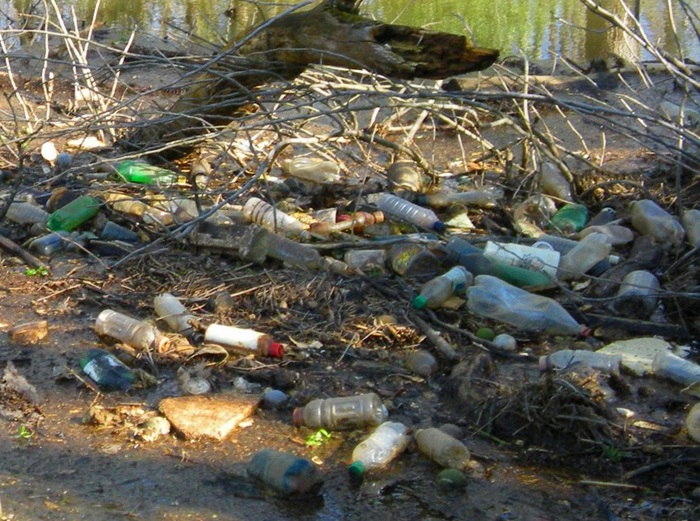
Figure 1: Litter like this can be carried by rain into storm drains, streams, bays and rivers.
|
|
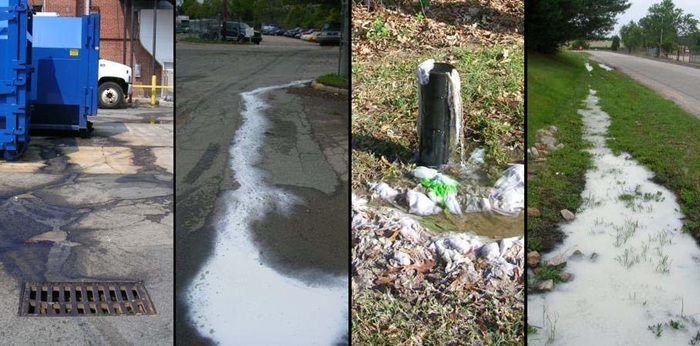
Figure 2: This photo shows examples of illicit discharges (e.g., liquids from a dumpster, soapy water, septic system overflow). Anything other than rainwater going into a storm drain is an illegal/illicit discharge.
|
Why is Illegal Dumping and Illicit Discharge a Problem?
Public Health and Safety
Illegal dumping and illicit discharges can create safety hazards for everyone. The material may contain broken glass, sharp metal, hazardous materials, pests and other dangerous waste. They also put Maryland State Highway Administration SHA workers at risk, since the workers may have to clean up these materials by hand along busy roads. This increases the chance of injury and raises the risk of crashes for both workers and people traveling on SHA roadways.
Environmental Harm
Illegal dumping and illicit discharges can pollute both surface water and groundwater and wash harmful pollutants into local streams, rivers and the Chesapeake Bay. These pollutants can carry harmful chemicals and substances into sources of drinking water, damage plants and wildlife, and make fish unsafe to catch and eat.
Unsightly Land Comes at a Cost
Illegal dumping and illicit discharges cost money to clean up and waste taxpayer dollars. They can also make an area look neglected and unsafe. When trash, waste or polluted water is left in one place, it can encourage more illegal dumping and discharges in that same area, making the problem worse over time.
Statewide Litter Pickup Cost by Year
Year
| Bags of Litter Collected
| Cost for Litter Collection
|
2025
| 380,810
| $16,839,834
|
2024
| 418,942
| $17,659,058
|
2023
| 495,937
| $18,512,823
|
2022
| 380,343
| $10,923,768
|
2021
| 495,937
| $11,985,547
|
2020
| 327,818
| $8,915,457
|
TOTAL
| 2,118,977
| $67,996,653
|
Figure 3: Crews from the Golden Ring Shop picking litter along MD 700 (Martin Boulevard) in eastern Baltimore County. SHA photo
How Can YOU Help?
If you see illegal dumping or illicit discharges, report it to the Maryland State Highway Administration (SHA) by selecting “DEBRIS, GRAFFITI, & LITTER” from the “Topic” options when submitting a service request. You can access the service request webpage at the link below.
-
New Service Request
- Dispose of waste properly.
- Use tarps or other covers to secure debris, especially in pickup trucks or on dirt piles during outdoor yard work or home renovation projects. This is particularly important if you are leaving the work area for a period of time, or if rain is expected.
- Participate in or support local clean-ups and recycling programs.
- Participate in the SHA
Adopt-A-Highway Program.